
8 Types of Anti Static Fabrics
Analysis of anti-static fabrics
Anti-static fabrics are crucial in our daily lives, especially in dry seasons or air-conditioned environments. They effectively prevent problems such as clothing adsorption and skin irritation. The following details the types, principles, and applications of anti-static fabrics from various perspectives.
Types of fabrics that do not produce static electricity
Natural fiber fabrics
- Pure cotton fabric: Made from natural cotton fibers, it has a moisture absorption rate of 8%-10%. It can absorb moisture from the air, keeping the surface of the fabric at a certain humidity. Even if static electricity is generated, this moisture can quickly conduct the charge away, thus reducing charge accumulation. In the dry winter in the north, pure cotton clothing will not generate static electricity even if you move frequently.

- Linen fabric: Derived from flax plant fibers, it has better moisture absorption than pure cotton (12%-15%), a loose fiber structure, good air circulation, and the electric charge can be easily dissipated through air conduction. In addition to being anti-static, linen fabric is also antibacterial, anti-mite, and anti-itching, making it perfect for summer wear!
- Silk fabric: Made of silk, the fiber surface is smooth and contains a large number of hydrophilic groups. The moisture absorption rate is about 11%-13%. It can absorb moisture in the environment in time and reduce static electricity. Silk is similar to human skin in composition. The static electricity generated during friction is negligible, making it super comfortable to wear.


Regenerated cellulose fiber fabric
Made from natural plants (such as wood, bamboo) through chemical treatment, it has good hygroscopicity and low static electricity.
- Viscose fabric: Viscose fiber has a strong anti-static ability, making it slippery and non-sticky when worn. After dyeing, it has a bright color and good color fastness, making it the preferred fabric for sportswear!
- Modal fabric: Modal fabric has good anti-static properties, reducing friction between clothing and skin, protecting skin health. It has strong moisture absorption and good breathability, so it won’t be stuffy in the summer and can quickly wick away sweat!
- Lyocell fabric: Lyocell fabric, also known as Tencel, offers the warmth of wool without the static charge. Its unique microfiber structure regulates moisture absorption and release, making it highly breathable and moisture-permeable. It’s also less susceptible to bacterial growth, making it comfortable and environmentally friendly.

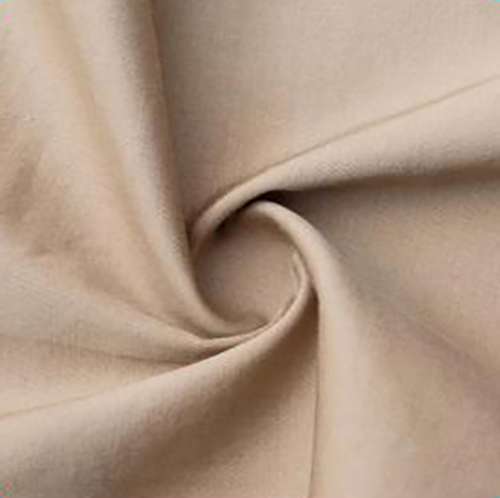

Specially processed synthetic fibers
For example, polyester fiber and nylon have poor hygroscopicity, but this can be improved through the following processes:
- Acetate fabric: Acetate fabric is less prone to static electricity, less irritating to the skin, and healthier to wear. It is also less susceptible to dust and pilling, making it easy and convenient to care for.
- Antistatic fabrics: Specially treated antistatic fabrics contain conductive fibers for excellent antistatic effects. Fabrics like TC fabrics, which are a blend of polyester and cotton, or fabrics made from specialized polyester filaments and high-performance conductive fibers, are the top choices for antistatic clothing.


Anti-static principle
Anti-static fabrics mainly achieve anti-static effects through the following two principles:
- Hydrophilic fiber material: It absorbs moisture from the air, helping to dissipate charges and thus reducing static electricity accumulation. However, its effectiveness is greatly reduced in low humidity environments.
- Conductive fiber blends: Conductive fibers can neutralize the generated charge and prevent static electricity accumulation. This method’s anti-static effect is independent of humidity and maintains stable performance in all environments.
Specifically:
- When grounded, static electricity on the fabric is not only neutralized by the corona discharge of the conductive fibers, but can also be discharged to the ground through the conductive fibers.
- When ungrounded, static electricity is dissipated through the weak corona discharge of the conductive fibers.
Anti Static Fabrics Application Scenario
Anti static fabrics are widely used in the following fields:
Daily life
- Underwear, bed sheets, and other personal items: Pure cotton and silk fabrics not only prevent static electricity but also keep skin dry and comfortable.
- Winter clothing: Residents in northern China often wear pure cotton long-sleeved shirts, which don’t generate static electricity even in heated rooms.
Professional fields
- Electronics Manufacturing: Production and assembly of sensitive components such as integrated circuits and semiconductors
- Chemical Industry: Production, storage, and transportation of flammable and explosive chemicals
- Petroleum Industry: Oilfield operations, refining, and other locations where static electricity ignition is a risk
- Pharmaceutical Industry: Sterile drug production and biotechnology laboratories
- Precision Instrument Operation: Use and maintenance of optical equipment and high-precision measuring instruments
Purchase Recommendations
When choosing fabrics that are not prone to static electricity, you should pay attention to the following:
- Prioritize natural fibers: Cotton, linen, and silk offer the best anti-static properties.
- Check ingredient labels: Avoid synthetic fibers like pure polyester, nylon, and acrylic, unless they have been specially treated for anti-static properties.
- Consider the environment: For dry environments, choose fabrics with better moisture absorption.
- For special needs: Choose specialized esd fabrics for applications with high anti-static requirements.


